MS in Germany for Indian Students- Top Universities, Eligibility, Fees & Career Opportunities
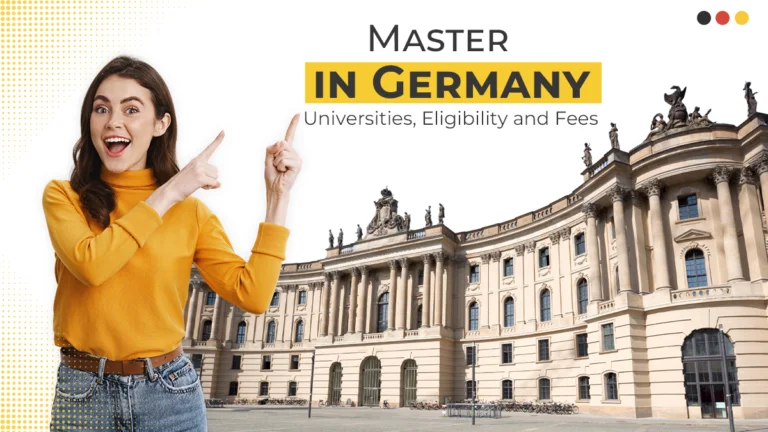
Germany has become one of the most preferred destinations for international students seeking high-quality higher education. With world-renowned universities, affordable tuition fees, cutting-edge research facilities, and strong industry connections, pursuing an MS in Germany has become a popular choice among Indian students.
Whether you are looking to specialize in engineering, technology, management, renewable energy, or applied sciences, Masters in Germany programs offer excellent academic and career opportunities. The combination of practical learning, global exposure, and industry-focused education helps students build successful international careers.

Job Oriented

Package 40+ Lac per Year

PR / Blue Card after 2 years post education

18 Months Stay back Visa

Strong Economy

Best Quality Education
Why Choose MS in Germany?
Choosing an MS in Germany offers several advantages beyond academic excellence. German Universities focus on innovation, research, and practical skills, ensuring that graduates are prepared for real-world challenges.
Some key benefits include:
- Internationally recognized degrees
- Affordable education at public universities
- Strong employment opportunities after graduation
- Industry-oriented curriculum
- Scholarships and funding opportunities
- Multicultural learning environment
Planning long-term career growth, Masters courses in Germany for Indian students provide a strong foundation for professional success.

Benefits of Pursuing Masters in Germany
Students pursuing Masters in Germany enjoy a learning experience that combines theoretical knowledge with practical application.
Globally Recognized Qualifications
A degree earned through an MS from Germany is respected by employers worldwide and can significantly improve career prospects.
Affordable Education
Many public universities offer Masters in Germany with little to no tuition fees, making Germany one of the most cost-effective study destinations in Europe.
Strong Industry Connections
German universities maintain close partnerships with leading global companies, providing internship opportunities, research projects, and industry exposure.
Excellent Career Opportunities
Graduates of MS programs in Germany often secure positions in the engineering, technology, manufacturing, research, healthcare, and management sectors.
Top Universities For Masters Courses


Popular Specializations for MS in Germany
Germany offers a diverse range of master’s programs across multiple disciplines. Popular options include:
- Microelectronics
- Electrical Engineering
- Information Engineering
- Communication Systems
- Signal Processing
- Renewable Energy Engineering
- E-Mobility
- Nanoelectronics
- Optical Technologies
- Photonics
- Information and Communication Technology
- Structural Engineering
- Infrastructure Planning
- Urban Development
- Geomatics
- 3D Animation and Game Design
- Construction and Real Estate Management
These specialised Master’s in Germany programs are designed to meet the evolving needs of global industries.
Top Universities Offering MS in Germany
Germany is home to several prestigious universities that consistently rank among the best institutions worldwide.
Technical University of Munich (TUM)
The Technical University of Munich is one of Germany’s leading universities and is particularly renowned for engineering, technology, computer science, and innovation-focused programs.
Pursuing an MS in Germany for Indian students at TUM benefit from strong industry collaborations and excellent research opportunities.
RWTH Aachen University
RWTH Aachen University is highly regarded for engineering, manufacturing, robotics, and applied sciences.
The university attracts thousands of international students seeking advanced Masters in Germany programs in technical disciplines.
Karlsruhe Institute of Technology (KIT)
KIT combines scientific research with practical learning. It is particularly popular among students interested in energy systems, computer science, and engineering.
Technical University of Berlin
Known for its strong focus on technology and innovation, the Technical University of Berlin offers a wide range of MSc in Germany programs for international students.
University of Stuttgart
The University of Stuttgart is recognized for excellence in automotive engineering, aerospace, civil engineering, and manufacturing technologies.
Ludwig Maximilian University of Munich (LMU)
Ludwig Maximilian University of Munich lovingly known as LMU is one of Germany’s most respected institutions and offers outstanding master’s programs in science, economics, business, and social sciences.
Career Opportunities After MS in Germany
Completing an MS in Germany opens doors to a wide range of career opportunities both within Germany and internationally.
Germany is home to some of the world’s largest multinational corporations in sectors such as:
- Automotive
- Engineering
- Information Technology
- Manufacturing
- Renewable Energy
- Healthcare
- Research and Development
The strong connection between universities and industries helps students gain practical experience through internships, projects, and research collaborations.
Graduates of Masters in Germany programs often find employment with leading companies shortly after completing their studies.
Study Masters Degrees at Free Universities in Germany
One of the biggest advantages of pursuing Masters in Germany is the availability of affordable education at public universities.
Most public institutions receive government funding, allowing them to offer world-class education at minimal cost. Students are generally required to pay only semester contributions and administrative fees. Free universities in Germany are open for all, with the motive of giving the best and taking the best, so do not delay and contact the best German education consultants in India.
This has made MS in Germany one of the most attractive higher education options for Indian students seeking quality education without excessive financial burden.
Scholarships for Masters Courses in Germany for indian students
Germany offers several scholarship opportunities for international students.
Popular scholarship options include:
- DAAD Scholarships
- Deutschlandstipendium
- Erasmus+ Funding
- University-Specific Scholarships
- Government-Sponsored Scholarship Programs
These funding opportunities help reduce the overall cost of pursuing an MS in Germany.
How Yes Germany Helps Students Pursue MS in Germany
Applying for Masters in Germany involves several important steps, including university selection, document preparation, admissions, APS Certification, and visa processing.
At Yes Germany, we guide students throughout the entire journey.
Our services include:
- University shortlisting
- Application assistance
- SOP and LOR guidance
- APS Certification support
- Blocked Account assistance
- Germany Student Visa guidance
- Scholarship counselling
- Pre-departure support
Our experienced team helps students choose the right MS in Germany program based on their academic background, career goals, and budget.
Start Your Masters in Germany Journey Today
Germany continues to attract ambitious students from around the world because of its academic excellence, affordable education, and outstanding career opportunities.
Whether you are interested in engineering, technology, management, research, or innovation, pursuing an MSc in Germany can help you build a successful international career. With expert guidance from Yes Germany, students can confidently navigate every stage of the admission process and achieve their dream of studying in Germany.
Frequently Asked Questions
Basic Requirements for International Students Applying for a Master’s (MS) in Germany
If you're planning to take your academic journey to the next level with a master’s in Germany, there are a few essential boxes you’ll need to tick first. While specific programs may have their unique standards, here are the fundamental requirements that apply across the board for international applicants:
- A Recognized Undergraduate Degree:
- You must hold a bachelor’s degree or an equivalent qualification, typically spanning at least three years of study or 180 ECTS credits. German universities acknowledge degrees from around the globe, provided they're recognized as equivalent to their own entry-level qualifications.
- Proof of Language Proficiency:
- Depending on whether you’ll study in English or German, you need to provide documentation of your language skills. For English-taught programs, most universities accept scores from standardized exams like TOEFL or IELTS. If you’re opting for a German-taught master’s, certificates such as TestDaF or DSH are required. Always check your chosen program’s specific language prerequisites before applying.
- Student Visa or Resident Permit:
- If you’re a non-EU citizen, you’ll need to secure a student visa or residence permit. This step is crucial—make sure to begin your application well in advance and gather all necessary documents outlined by the German consulate or embassy in your home country.
- Meeting these foundational requirements sets the stage for your application process and helps you focus on finding the perfect program to match your ambitions.
English-Taught Master's Programs in Germany for International Students
- One of the most attractive aspects of studying in Germany is the incredible range of English-taught master’s programs available for international students. Whether your interest lies in engineering, science, arts, or management, you’ll find a wealth of options at over 200 universities across the country.
- Many top German universities offer master's degrees entirely in English, ensuring that language is never a barrier, even if you don’t speak German yet. In fact, there are more than 11,000 master’s programs taught in English, covering everything from cutting-edge fields like nanoelectronics and renewable energy to classical subjects like political science and film studies.
- Studying in Germany doesn’t require you to master the German language beforehand, making it accessible for students from India and across the globe. Faculty and staff in these programs are well-versed in English, creating an inclusive environment for learners from all backgrounds. And with most public universities charging little to no tuition, you can gain a world-class education without breaking the bank.
- If you're considering embarking on a master's degree in Germany, rest assured: your journey can begin in English, at some of the world’s top-ranked universities, with doors open to a truly international academic experience.
Germany warmly welcomes international students to pursue MS degrees, offering a wealth of opportunities and support. If you’re eyeing an MS in Germany, here are some essential pointers to keep in mind:
- Admission Requirements: You’ll typically need to hold a relevant bachelor’s degree, demonstrate language proficiency (either in English or German, depending on your program), and arrange a valid visa or residence permit before arrival.
- Wide Choice of English-Taught Programs: Don’t worry if your German isn’t fluent yet—thousands of MS programs are offered entirely in English, making it accessible for students from all corners of the globe. This means you can start your studies while polishing your German along the way if you wish.
- No Tuition Fees at Public Universities: One of the biggest draws is that public universities in Germany generally do not charge tuition fees—even for international students. This includes prestigious institutions that rank among the world’s best. However, note a few exceptions: private universities may charge tuition, the federal state of Baden-Württemberg has fees for non-EU students, and some specialized or professional master’s programs might carry extra costs.
- Prepare Your Documents: Make sure all your academic transcripts, recommendation letters, and certificates are up-to-date and ready for submission. Early preparation gives you a significant advantage during the application process.
- Get Familiar with Application Portals: Many German universities use uni-assist or their own online platforms for applications, so be sure to check each university’s specific process and deadlines.
- Taking these steps early on will make your transition to studying in Germany much smoother—and set you up for success in your chosen field.
- Absolutely! One of the most inviting aspects of pursuing a master’s degree in Germany is that a vast majority of public universities now offer master’s programs entirely in English. This means international students can embark on their academic journey—even without any prior knowledge of the German language. In fact, over 200 universities across Germany present thousands of English-taught master’s courses across diverse fields such as engineering, film studies, political science, and chemistry.
- These programs are led by English-speaking faculty and staff, ensuring that language is never a barrier to world-class education. Students can confidently complete their coursework, engage in research, and build professional connections—all while using English as the medium of instruction.
- Germany’s dedication to international education is evident in its tuition-free or low-cost education policy for both local and international students. Top-ranking institutions, recognized globally for academic excellence, continue to make education accessible and inclusive by offering a rich selection of master’s degrees in English. So, if German isn’t your strong suit, worry not—your academic ambitions in Germany are just as achievable.
Language Certificates Required for Master’s Programs in Germany
- To secure admission into a master’s program in Germany, demonstrating proficiency in the language of instruction is essential. Most universities offer courses either in English or German. For English-taught programs, students typically need to provide valid scores from internationally recognized tests such as the TOEFL or IELTS.
- If you opt for a course taught in German, universities generally require proof of German language skills, which can usually be shown through certificates like TestDaF or DSH. It’s important to note that requirements may vary between universities—some may accept alternative certificates (like Cambridge English qualifications for English, or Goethe-Zertifikat for German), but these are not universally accepted.
- Always verify with your target university or program for their specific language requirements, as the accepted certificates may differ based on their policies. This step ensures you select the right test and submit all necessary documentation with your application.
Abundance of English-Taught MS Programs in Germany
- Germany truly stands out when it comes to options for international students—especially those seeking English-taught master’s degrees. In fact, you’ll find over 11,000 master’s programs offered in English throughout the country’s universities.
- What’s even more appealing? A majority of these programs are housed within public universities, where more than 60% of courses are tuition-free. So, not only can you pursue your studies in a globally spoken language, but you can also do so without breaking the bank. This makes Germany an attractive hub for ambitious students from all over the globe.
Accepted Undergraduate Degrees for MS Admissions in Germany
To qualify for admission into a master’s program in Germany, candidates must hold a recognized undergraduate degree. German universities typically accept bachelor’s degrees or their equivalents from accredited institutions worldwide. Here are the things to keep in mind:
- Your undergraduate program should span at least three years, reflecting a minimum of 180 ECTS credits or similar workload.
- Degrees from universities outside of Germany are welcome, as long as they are recognized as equivalent by the German authorities.
- Fields of study related to your intended master’s program will often be preferred, and some programs may require specific prerequisites or coursework.
- Whether you've completed B.Sc., B.E., B.Tech., or another international bachelor’s degree, as long as it's from a recognized institution and meets the duration and credit criteria, you stand eligible to apply for MS courses at German universities. If you’re uncertain about your degree’s eligibility, universities often provide guidance or you can consult with education consultants to clarify recognition requirements.
Visa and Residence Permit Requirements for Non-EU Students
- If you’re an international student from outside the EU, securing a student visa or residence permit is a vital part of your journey to study in Germany. Non-EU students are required by German law to obtain the appropriate permit before starting their programs. The process typically involves submitting various documents including your admission letter, proof of financial resources, health insurance, and sometimes language proficiency certificates.
- It’s essential to familiarize yourself early with the specific requirements outlined by the German Embassy or Consulate in your home country. Make sure to start the application process well in advance, as it can take a few weeks to several months for your visa to be processed. With these formalities taken care of, you’ll be all set to begin your academic adventure in Germany!
Exceptions to Tuition-Free Education in Germany
- While most public universities in Germany offer tuition-free education for both domestic and international students, there are a few noteworthy exceptions to keep in mind.
- First, certain specialized professional master’s programs—like Master of Laws (LL.M.), Master of Public Administration (MPA), and similar courses—often require a tuition fee, even when offered at public universities. These programs are typically designed for advanced professional training and may carry separate costs compared to standard academic degrees.
- Additionally, the federal state of Baden-Württemberg stands apart by imposing a mandatory tuition fee on all non-EU students enrolled at its public universities. As of now, this fee is set at €1,500 per semester, irrespective of the program of study.
- Besides tuition, all students in Germany should budget for a semester contribution, which generally ranges from €200 to €300. This payment covers university administrative costs, student services, and frequently includes a semester-long public transportation ticket.
So, while the opportunity to study for free is widespread, it's wise to check program-specific requirements and regional policies before applying.
Tuition Fees vs. Semester Contributions: Understanding the Costs
When planning your studies in Germany, it's important to distinguish between tuition fees and semester contributions, as they serve different purposes and vary depending on the type of university.
- Tuition Fees:
Most public universities in Germany do not charge tuition fees for master's degrees—even for international students. However, you'll encounter tuition fees at private universities or for certain specialized programs, such as MBA or LLM degrees. These fees can range from approximately €5,000 to €7,000 per semester, depending on the course and institution. It’s also worth noting that in the state of Baden-Württemberg, non-EU students are required to pay a tuition fee of €1,500 per semester, regardless of university type.
- Semester Contributions:
Unlike tuition fees, semester contributions are standard charges collected by all universities—public or private. These payments are much lower, typically between €200 to €300 per semester. The purpose of the semester contribution is to cover administrative costs, student services (such as dining halls and sports facilities), and often include a public transportation pass for unlimited local travel during the semester.
In Summary:
- Tuition fees are primarily relevant at private universities or for certain specialized degrees and can be substantial.
- Semester contributions are required at all institutions and cover student services and campus facilities, making them an affordable way to access additional benefits during your studies.
- By understanding the distinction between these fees, you can plan your finances more effectively and avoid surprises during your academic journey in Germany.
- While public universities in Germany are widely celebrated for waiving tuition fees for both domestic and international students, the scenario is notably different at private institutions. Private universities in Germany typically charge tuition fees for their master’s (MS) programs. These fees can vary significantly depending on the university and the specific program you select.
- It’s essential for prospective students to factor in these costs when exploring their options, as tuition at private universities can be considerably higher than public institutions. However, private universities may offer specialized programs, smaller class sizes, and additional resources that appeal to certain students. Before making a decision, it’s advisable to research and compare the offerings—and costs—of both public and private universities to ensure the best fit for your academic and financial goals.
Additional Factors to Strengthen Your MS Application
- While meeting the basic eligibility criteria is essential, going the extra mile can make your MS application to German universities truly stand out. Admissions committees look beyond academic qualifications, appreciating a well-rounded profile brimming with involvement, initiative, and motivation. Here are some effective ways to strengthen your application:
- Participation in Extracurricular Activities
- Active involvement in academic societies, social clubs, or special projects demonstrates leadership, teamwork, and a breadth of interests. If you’ve taken part in research groups, served as a student representative, or contributed to campus events, be sure to highlight these experiences.
- Relevant Internships and Practical Training
- Hands-on work experience through internships, traineeships, or apprenticeships is highly regarded. German master’s programs value candidates who already have exposure to their field and have applied their skills in real-world scenarios. Such experience can set your resumé apart, illustrating initiative and readiness.
- Community Engagement and Volunteering
- Engagement in volunteer work—be it local community projects or international initiatives—reflects social commitment and a global outlook. For those looking to study fields like sustainable development, public policy, or social entrepreneurship, this can be especially persuasive.
- Consistent Academic Performance and Achievements
- Strong academic records remain important, but they are not the sole measure of your potential. If your grades are not at the very top, compensating with other strengths and achievements can still make you a competitive candidate.
- A Thoughtful Motivation Letter
- Your motivation letter is your opportunity to tell your unique story. Use this space to share your ambitions, explain academic fluctuations, and highlight formative experiences that have shaped your goals. The motivation letter is where your passion can resonate; clarity here can make a lasting impression on selection committees.
- By taking a holistic approach and showcasing both your academic and personal strengths, you’ll maximize your chances for admission into a leading MS program in Germany.
Importance of the Motivation Letter in Your MS Application
- Among the many documents required for an MS application in Germany, the motivation letter deserves special attention. This personal statement is your chance to go beyond grades and test scores to truly define who you are as a candidate.
- While your transcripts show academic performance, the motivation letter allows you to share your story—what drives you, what challenges you’ve faced, and how those experiences have shaped your goals. If you had setbacks that affected your grades, this is your opportunity to provide context and demonstrate personal growth.
- Moreover, admissions committees look for individuals with passion, purpose, and a clear vision for their future. Use the motivation letter to highlight:
- Your academic and professional motivations for choosing your field
- Specific experiences or interests that set you apart
- Relevant skills or achievements that may not appear on your CV
- How the program fits into your long-term career plans
- A well-crafted motivation letter can make the difference between an average application and one that stands out. Take the time to reflect and present your authentic self—this is the moment to make a compelling case for why you belong in your chosen program.
The Impact of Extracurricular Activities and Internships on Your MS Admission in Germany
When it comes to applying for a master’s degree in Germany, your academic records are crucial—but your journey outside the classroom can matter just as much. Universities in Germany look beyond grades, seeing great value in students who have explored leadership, teamwork, or creative pursuits during their undergraduate years.
Why Extra-curricular Activities Make a Difference
- Engaging in activities such as academic clubs, volunteer groups, or serving as a student representative can demonstrate essential skills like initiative, problem-solving, and the ability to work well within a team. If you have taken part in special projects, led events, or contributed to a socially impactful cause, be sure to highlight these experiences in your application or CV. These add layers to your profile, showing admissions committees the breadth of your interests and your willingness to go the extra mile.
- Internships and Practical Training: A Valuable Addition
- While not always mandatory, internships and apprenticeships—whether at a startup, multinational company like Bosch, or through research internships at institutions such as Max Planck Institutes—strongly enhance your MS application. Such practical exposure indicates to German universities that you are already equipped with hands-on experience and real-world problem-solving skills. In engineering, sciences, business, or technology, having applied your knowledge outside university lectures signals clear motivation and readiness for advanced study.
Bottom Line:
- Strengthening your application with meaningful extracurriculars and relevant internships won’t just brighten up your CV; it increases your chances of standing out among thousands of candidates. Admissions teams in Germany appreciate candidates with both academic prowess and the initiative to gain practical experience—qualities that lead to academic and professional excellence.
- Take every opportunity, both inside and outside the classroom, to build a compelling, holistic profile. This approach can be the key that opens doors to Germany’s leading master's programs.
The Role of Academic Achievements in Your Application
- Academic achievements certainly play a critical role when applying for a master’s degree in Germany. Admissions committees will review your grades and academic track record to assess your readiness for advanced studies. However, it’s important to note that top universities look far beyond just your marksheets.
- While strong academic performance can strengthen your application, German institutions also value a well-rounded profile. Other aspects such as relevant work experience, internships, research projects, letters of recommendation, and your statement of purpose are equally important contributors. If your grades aren’t top of the class, don’t lose heart—highlighting achievements in co-curricular activities, leadership roles, or unique projects can make a significant difference.
- Ultimately, your application is evaluated holistically. Showcasing motivation, practical experience, and passion for your chosen field can sometimes tip the scales just as much as your academic credentials. So, while academics matter, they are just one component of a compelling application portfolio.
The Role of Volunteer Work in MS Applications
- For many MS programs in Germany, especially those focused on social sciences, public policy, or humanitarian fields, volunteer work can add considerable weight to your application. Actively participating in community service or charitable organizations showcases your commitment, leadership, and willingness to make a positive impact beyond the classroom.
- In particular, programs such as Humanitarian Entrepreneurship, Social Work, Sustainable Development, and related courses greatly value applicants with hands-on volunteer experience. Practical volunteer work, whether through NGOs, local welfare initiatives, or reputable international organizations like UNICEF or the Red Cross, demonstrates your dedication and gives real-life context to your academic interests.
- Even for more technical programs, volunteer roles—such as mentoring, leading student clubs, or technical community outreach—reflect valuable soft skills like teamwork and initiative. So, while not always mandatory, a strong record of volunteer service can help set you apart, especially in fields where social engagement is at the heart of the curriculum.
- When it comes to applying for an MS program in Germany, you’ll be pleased to know that interviews are generally not a standard part of the admissions process. Most universities assess your application based on your academic transcripts, statement of purpose, recommendation letters, and relevant test scores.
- However, there are certain situations where you might encounter an interview:
- Scholarships: If you’re applying for competitive scholarships, some providers—such as DAAD or specific university foundations—may invite shortlisted candidates for an interview as part of their selection process.
- Highly Competitive Programs: A handful of particularly selective or specialized master’s programs might occasionally ask for a brief interview to get to know you better or assess your motivation.
- For the vast majority of applicants, rest assured that interviews are the exception rather than the rule. Focus on preparing a strong written application and, should the need for an interview arise, treat it as an opportunity to showcase your enthusiasm and suitability for the program.
To pursue Masters in Germany, students must first complete a recognized bachelor's degree in a relevant field. The next steps include shortlisting suitable universities, meeting language proficiency requirements, preparing application documents, obtaining APS Certification, and submitting applications to universities. After receiving an admission offer, students need to arrange a Blocked Account and apply for a German student visa.
At Yes Germany, we make the process simple and hassle-free by helping students select the right universities, prepare strong applications, complete APS Certification requirements, open a Blocked Account, and manage the visa process. Our expert counsellors provide end-to-end guidance, ensuring students can focus on their academic goals while we take care of the complex admission procedures.
The application process for Masters in Germany starts with choosing a suitable university and program based on your academic background and career goals. Students must then prepare essential documents such as academic transcripts, language proficiency scores, SOP, CV, and letters of recommendation before submitting their applications. Indian students are also required to obtain APS Certification before proceeding with the visa process.
Yes Germany supports students throughout every stage of the application journey. From university shortlisting and document preparation to APS Certification assistance, application submission, Blocked Account guidance, and student visa support, our experienced team ensures a smooth and efficient admission process. This personalized approach helps students avoid common mistakes and improves their chances of securing admission to leading German universities.